


01 Apr Seeds in the Promised Land
Deuteronomy 11:10–15
10 The land you are entering to take over is not like the land of Egypt, from which you have come, where you planted your seed and irrigated it by foot as in a vegetable garden. 11 But the land you are crossing the Jordan to take possession of is a land of mountains and valleys that drinks rain from heaven. 12 It is a land the LORD your God cares for; the eyes of the LORD your God are continually on it from the beginning of the year to its end. 13 So if you faithfully obey the commands I am giving you today—to love the LORD your God and to serve him with all your heart and with all your soul— 14 then I will send rain on your land in its season, both autumn and spring rains, so that you may gather in your grain, new wine and oil. 15 I will provide grass in the fields for your cattle, and you will eat and be satisfied.
The name of this ministry, Seeds of Revival Ministries, bears a look at biblical models related to seeds. We can learn a great deal from the passage above. The writer is Moses, and he has recorded the words of God here as He addresses Himself to the transition from their captivity in Egypt to their new existence in the so-called Promised Land. This is the land that God promised to Abram. He had told Abram that his descendants would number as the sands of the sea in one instance and as the stars in the sky in another. It had been characterized as a land flowing with milk and honey.
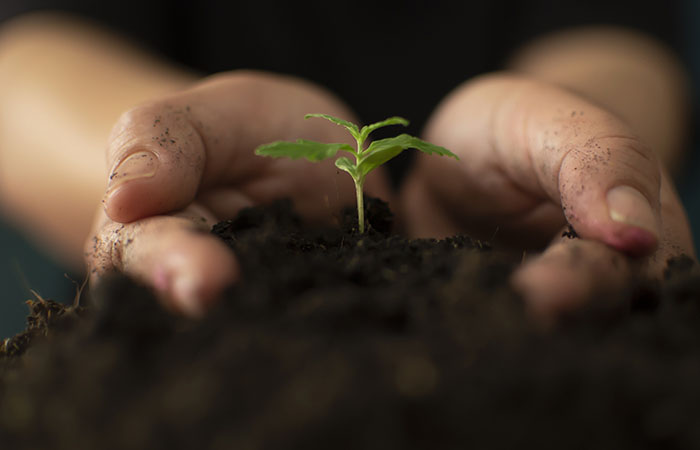
The language used by the LORD in the current passage, however, is more practical in nature. He is letting them know that the scale from which they were coming in Egypt, where they planted their seed in gardens from which they were able to subsist and they carved out the furrows with their feet, and the land that lay beyond Jordan river, was markedly different. God speaks of mountains and valleys that drink rain from heaven. He speaks of Himself as the One who cares for it, His eyes are continually on it from the beginning of the year to its end.
In the thirteenth verse God initiates what is often referred to as a ruler-vassal covenant. God is the obviously the Ruler, and the Israelites are the vassal with whom he makes the covenant. The ruler in such a covenant pretty much dictates the terms of the covenant to those whom He rules, using the form here of if – then. “If you faithfully obey … then I will send rain… I will provide … and you will eat.”
The command, “to love the LORD your God and to serve him with all your heart and with all your soul,” was the command Jesus referred to as “the first and greatest commandment” in Matthew 22:38. And the promise is both immense in scope and intimate in His attentive care for their needs. He speaks of “both autumn and spring rains,” and “grass in the fields for your cattle,” so they “may gather in [their] grain, new wine and oil,” and “eat and be satisfied.” The early implication He makes in this passage is that He waters the land from heaven and the land drinks it in. He cares for the land and watches over it continually throughout the year. He is investing in His people, and has been preparing this land into which He is bringing them, since before he ever called Abram to leave the land of Ur and follow him wherever He would show him.
That promise bears repeating today: “Leave your country, your people and your father’s household and go to the land I will show you. I will make you into a great nation and I will bless you; I will make your name great, and you will be a blessing. I will bless those who bless you, and whoever curses you I will curse; and all peoples on earth will be blessed through you.”